EV Range: EPA vs. Real World
Understanding the factors that drain your battery.
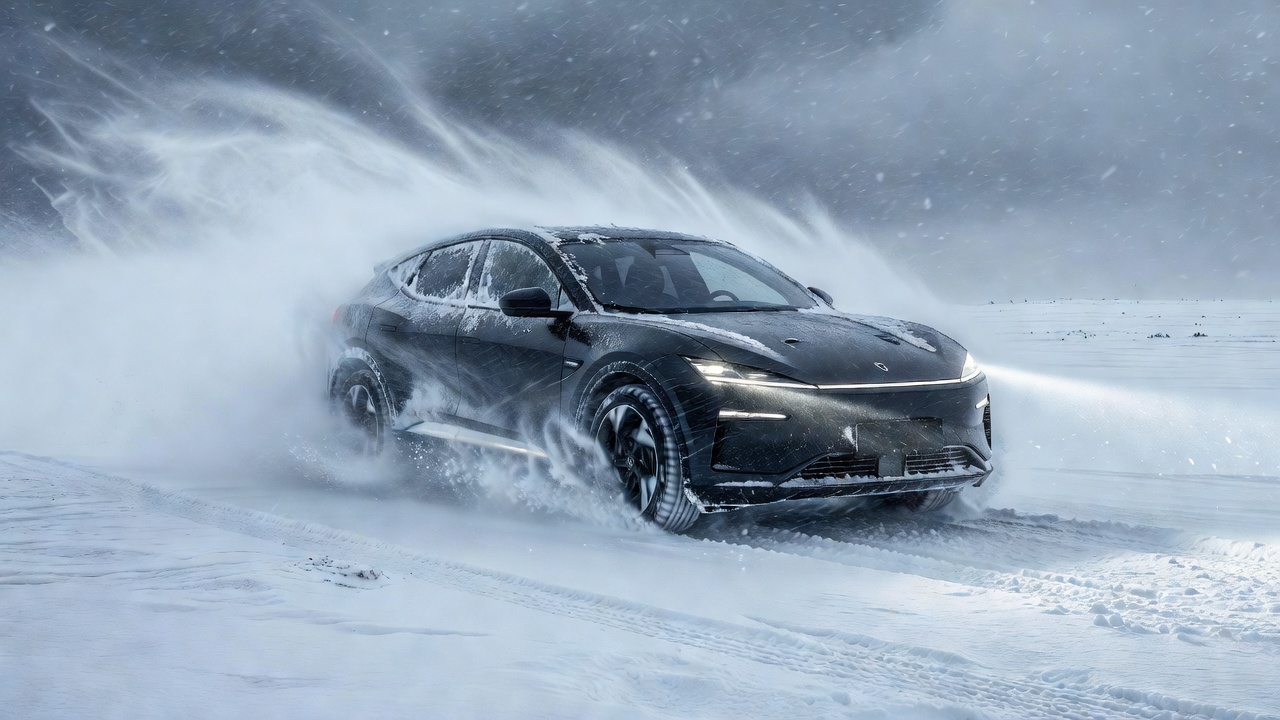
When shopping for an EV, the headline figure everyone looks at is the official range rating—usually measured by the EPA in the United States or WLTP in Europe. These figures offer a helpful baseline for comparison, but they are derived in climate-controlled laboratories running specific dyno cycles. In the real world, hitting those exact numbers is rare.
EV range is highly elastic. The same car that achieves 300 miles of range during a warm spring commute in the city might struggle to hit 200 miles during a freezing winter highway drive. Understanding the variables that affect efficiency is key to avoiding range anxiety.
The Highway Speed Penalty
In a gas-powered car, highway driving is typically more efficient than city driving because internal combustion engines operate most efficiently at sustained RPMs without frequent idling. Electric vehicles exhibit the exact opposite behavior.
EVs are incredibly efficient in stop-and-go city traffic because of regenerative braking, which recaptures energy every time you slow down. On the highway, however, aerodynamic drag becomes the dominant force. Aerodynamic drag increases with the square of speed—meaning driving at 75 mph requires exponentially more energy to push through the air than driving at 55 mph. If you want to stretch your range on a road trip, simply slowing down by 5-10 mph will yield massive efficiency gains.
The Impact of Temperature and HVAC
Weather is the second largest variable affecting EV range. Batteries rely on chemical reactions that slow down in cold temperatures. More importantly, heating the cabin requires drawing significant power directly from the battery pack.
- Winter Driving: Running a resistive cabin heater in freezing temperatures can reduce total range by 20% to 40%. Vehicles equipped with a heat pump are much more efficient, mitigating a large portion of this winter penalty.
- Summer Driving: Air conditioning is generally less energy-intensive than heating, but extreme heat still triggers the vehicle's battery cooling system, which drains power.
- Pre-conditioning: The best defense against weather-related range loss is to "pre-condition" the cabin. While the car is still plugged in at home, turn on the climate control. This uses grid power to heat or cool the cabin, saving the battery's energy strictly for propulsion.
Wheel Size and Aerodynamics
Aesthetics often battle against efficiency in EV design. Automakers frequently offer larger, stylized alloy wheels as premium upgrades. While 21-inch wheels might look aggressive, they are heavier and less aerodynamic than the standard 18-inch or 19-inch aerodynamic wheels (often covered by flat aero caps).
Opting for the smaller aero wheels can genuinely add 10 to 20 miles of real-world highway range simply by reducing rolling resistance and rotational mass.
How to Estimate Your Real Range
A safe rule of thumb for highway road-tripping is to expect roughly 70% to 80% of the EPA-rated range, particularly because you will likely be charging to 80% and stopping to charge again at around 10% (the "road trip window"). Trusting your vehicle's built-in dynamic range estimator—which adjusts on the fly based on your recent driving habits and current weather conditions—is far more reliable than clinging to the static window sticker number.