The Future of Electric Mobility
Beyond the lithium-ion plateau.
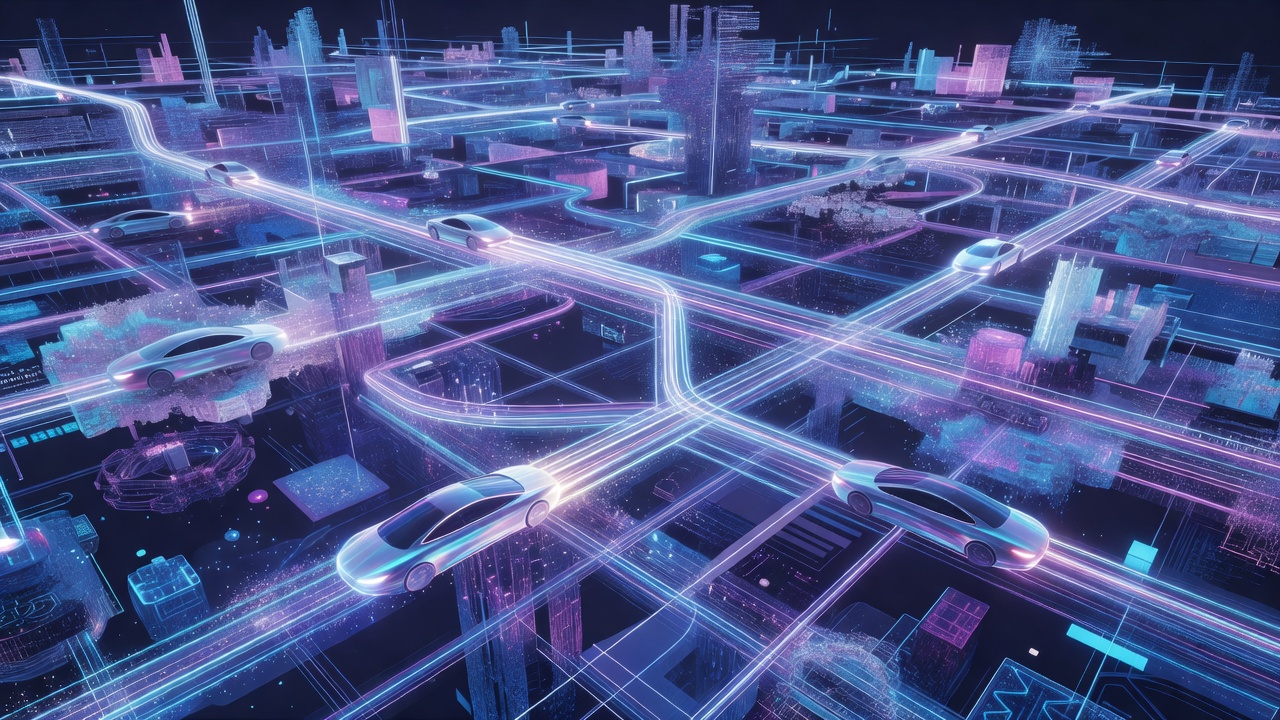
The electric vehicle industry is advancing at an unprecedented pace. The cars available today are lightyears ahead of the first mass-market EVs from a decade ago, boasting longer ranges, faster charging speeds, and highly advanced software integration. But what does the next decade hold? The transition is far from over, and several key technologies are poised to fundamentally reshape the landscape.
The Holy Grail: Solid-State Batteries
Current lithium-ion batteries rely on a liquid electrolyte to move ions back and forth between the anode and cathode. While effective, this liquid is flammable and limits the density of energy the cell can store.
Solid-state batteries replace this liquid with a solid ceramic or polymer electrolyte. This breakthrough promises three massive advantages over current technology:
- Energy Density: Solid-state cells can theoretically store significantly more energy in the same physical footprint, pushing vehicle ranges past 500 or 600 miles.
- Safety: Eliminating the flammable liquid drastically reduces the risk of thermal runaway (battery fires) in the event of an accident.
- Charging Speed: Solid-state cells can handle much higher charge rates without degrading, potentially allowing for 10-minute full charges that rival gas station fill-ups.
While lab tests are promising, scaling solid-state manufacturing to mass-production volumes remains the primary hurdle for the industry.
Vehicle-to-Grid (V2G) and Bidirectional Charging
Today, EVs consume power from the grid. Tomorrow, they will support it. An electric car is essentially a massive rolling battery pack. Bidirectional charging technology allows the vehicle not just to take energy, but to discharge it.
This operates on several levels:
- V2L (Vehicle-to-Load): Already available on select models, allowing you to plug standard appliances, tools, or camping gear directly into your car.
- V2H (Vehicle-to-Home): Using your car's battery to power your home during a blackout, potentially sustaining a household for several days.
- V2G (Vehicle-to-Grid): A broader concept where millions of EVs plugged in overnight form a decentralized power plant, stabilizing the grid by discharging stored energy during peak hours and charging when renewable production (like wind) is high.
Autonomous Driving and Software-Defined Vehicles
Electric powertrains integrate seamlessly with drive-by-wire systems, making EVs the perfect platform for advanced driver assistance systems (ADAS) and full autonomy. The transition toward "software-defined vehicles" means cars are no longer static machines. They improve over time via over-the-air (OTA) updates, adding new features, optimizing battery management, and upgrading self-driving algorithms without a visit to the dealership.
Infrastructure Expansion
The hardware in the cars will evolve, but so must the world around them. Governments and private enterprises are pouring billions into heavy-duty charging infrastructure. The future envisions charging hubs that resemble modern rest stops with amenities, ultra-fast 800V+ chargers for passenger cars, and megawatt charging standards (MCS) designed specifically for electric semi-trucks to decarbonize global logistics.